You pick out the perfect sofa. You spend weeks choosing hardwood floors. A year later, the sofa arm facing the window looks tired, and there’s a pale patch on the floor where the rug used to sit. Sun damage is easy to miss until it’s already happened.
If you live in Port Orange or anywhere along Florida’s east coast, you get a lot of sunshine, and that’s the reason many of us live here. The same sunlight that makes a room feel bright and warm will slowly fade your furniture, dry out your wood floors, and wear down your upholstery. Here’s what’s going on and what you can do about it.
Why Sunlight Damages Your Home
Most people blame “the sun” in general, but a few different things are at work.
UV rays are the main cause of fading. They break down the dyes and pigments in fabric, wood stain, leather, and paint. Window glass blocks some UV, but a lot still gets through.
Visible light and heat add to the problem. Heat dries out natural materials. Wood can crack or warp, and leather can stiffen. Strong light also bleaches fabrics over time.
Time matters most. Sun damage builds slowly, so you often don’t notice it until you move a rug or rearrange a room and see the difference.
What’s Most at Risk
- Hardwood and engineered wood floors. Sunlight can lighten or darken the wood, depending on the species. Either way, you end up with uneven color.
- Upholstered furniture. Sofas and chairs near windows are usually the first to fade.
- Leather. It can dry out, crack, and lose its color.
- Area rugs and carpet. Rugs fade fast in direct sun, and you may see a clear line where furniture blocked the light.
- Wood furniture. Tables, bookcases, and cabinets can fade or develop dry spots.
- Artwork and photos. Prints, photographs, and family pictures are especially sensitive to UV.
1. Start With the Windows
You can’t move the sun, but you can control how much of it gets into your home. Good window treatments are the most effective way to protect furniture and flooring, because they stop the problem at the source.
Which one fits best depends on the room:
Custom blinds. Blinds let you angle the slats to block direct sun while still letting light in. They work well in living rooms and home offices.
Custom shades. Shades come in light-filtering and room-darkening fabrics. For sun protection, look for fabrics designed to reduce UV and glare. Many also help with energy efficiency, which is a nice bonus in a Florida summer.
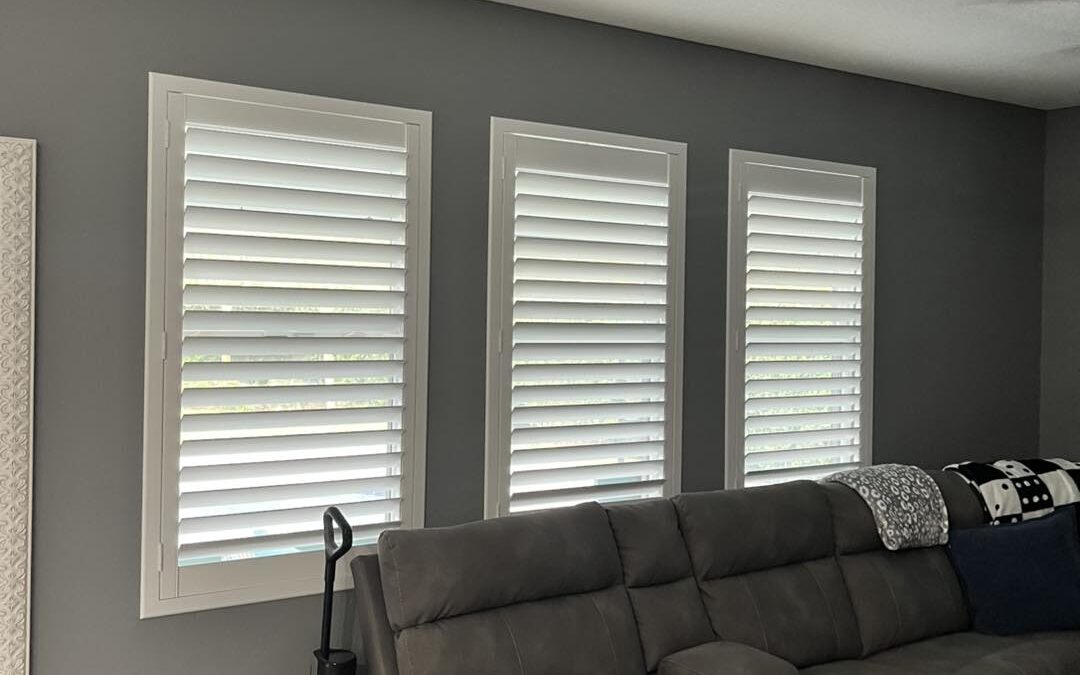
Plantation shutters. These are a popular choice for sun-exposed rooms. You can tilt the louvers to control the light all day, or close them completely when the sun is strongest. They’re also durable and add a polished look to a home.
Motorized window treatments. These are a smart solution if you’re not home during the day. Motorized blinds and shades can be set on a schedule or controlled from your phone, so they close before the afternoon sun hits and open again when it’s gentler. You don’t have to remember to do it yourself.
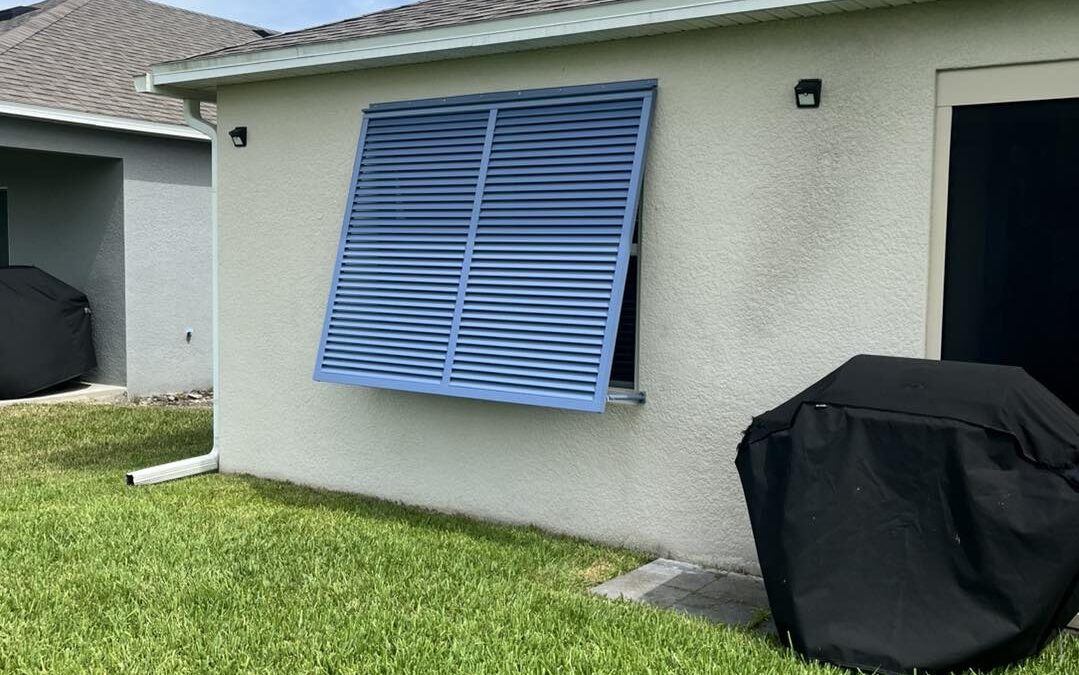
Bahama shutters. Installed on the outside of the window, Bahama shutters block the sun before it reaches the glass. They also add shade and curb appeal, and they offer storm protection.
2. Think About Which Direction Your Windows Face
Not all windows get the same sun. South- and west-facing windows get the most intense light, especially in the afternoon, so rooms with those exposures need the strongest protection.
East-facing windows get softer morning light, which is usually gentler, though it can still cause fading over the years. North-facing windows get the least direct sun.
If your living room has a big west-facing window, that’s the place to invest in quality shades or shutters first.
3. Rearrange and Rotate
Window treatments do most of the work, but a few simple habits help too:
- Rotate your furniture every few months so no single piece takes all the sun.
- Rotate area rugs so they fade evenly instead of leaving a visible line.
- Move prized pieces like leather chairs, antiques, or artwork away from direct sunlight if you can.
- Avoid placing furniture right against sunny windows. Even a few feet of distance can help.
4. Use Rugs and Covers Wisely
Rugs can protect hardwood floors from direct sun, but they can also cause uneven fading. When the floor around the rug changes color and the covered part doesn’t, you’ll see the difference once the rug is moved. Rotating the rug regularly, along with window coverings that reduce the light, helps avoid this.
For furniture you rarely use, a light throw or cover can shield it from the sun. This works best on pieces in rooms that get strong light for part of the day.
5. Consider UV-Protective Window Film
Some homeowners add UV-blocking film to their windows. It can reduce the UV that gets through the glass, though it doesn’t block all light and heat, and it works best alongside window treatments rather than in place of them. It’s something to ask a professional about, since results vary depending on your windows.
6. Keep Up With Everyday Care
A little maintenance makes a difference:
- Dust and clean floors and furniture regularly, since dirt can trap heat and wear down finishes.
- Condition leather as recommended by the manufacturer.
- Refinish or re-wax wood floors when they start to look worn, following the instructions for your type of flooring.
- Check your window treatments from time to time to make sure they still open, close, and tilt properly.
7. Use Your Treatments at the Right Times
Even the best window treatments only work when you use them. The sun is usually strongest in the middle of the day, and in Florida the afternoon sun can be intense. Closing your shades or adjusting your blinds or shutters during those hours makes a big difference. If that sounds like a hassle, motorized options can do it for you.
Why Professional Installation Matters
A window treatment that doesn’t fit well leaves gaps where sunlight sneaks in. Custom-made options are measured to your windows, so they cover the whole area and look right. That’s why measuring and installing correctly is just as important as choosing the right product.
At Sunset Blinds & Shutters, we’ve spent over 30 years helping homeowners in Port Orange, Daytona Beach, New Smyrna Beach, Ormond Beach, and nearby communities choose and install window treatments that protect their homes. We offer free consultation and measurement, so you can see what works for your space before you decide.
Final Thoughts
Sun damage is gradual, but it’s also largely preventable. Start with good window treatments, pay attention to which rooms get the most sun, rotate your furniture and rugs, and keep up with basic care. A little effort now means your floors and furniture will look good for many more years.
If you’re ready to protect your home, contact Sunset Blinds & Shutters for a free consultation. We’ll help you find custom blinds, shades, plantation shutters, Bahama shutters, or motorized window treatments that suit your home and your budget.